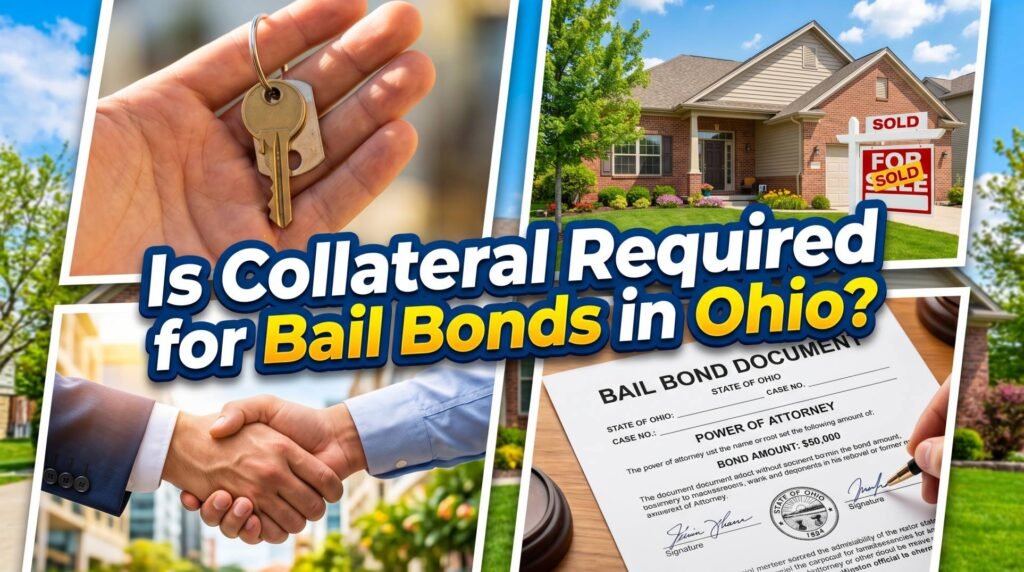
Facing an arrest in Ohio can turn your world upside down. One of the first questions that arises is how to secure release from jail while awaiting trial. Bail bonds provide a practical solution, but many wonder: is collateral required for bail bonds in Ohio? The answer isn’t always straightforward—it depends on several factors like the case details, the bond amount, and the bondsman’s policies. In this guide, we’ll break it down step by step, explain your options, and help you make informed decisions during a stressful time.
Understanding Bail Bonds in Ohio
Bail serves as a guarantee that the defendant will appear in court. In Ohio, courts set bail amounts based on the severity of the charge, criminal history, flight risk, and public safety concerns. For minor offenses, you might pay cash bail directly. But for felonies or higher amounts—often $10,000 or more—a bail bond is the go-to option.
A bail bondsman posts the full bail amount with the court on your behalf. You typically pay a non-refundable premium of 10% of the bail (that’s the maximum allowed under Ohio law, per Ohio Revised Code 2937.281). For a $50,000 bail, you’d pay $5,000 upfront. The bond acts like insurance: if you show up for all court dates, the bond is exonerated, and everyone’s off the hook.
This system keeps people out of jail pretrial without draining their savings. However, bondsmen mitigate their risk by sometimes requiring collateral—assets they can seize if you skip court. But is it always necessary? Not in Ohio, though it’s common practice.
When Is Collateral Required for Bail Bonds in Ohio?
No, collateral is not legally required for bail bonds in Ohio. State law doesn’t mandate it. Bondsmen have discretion based on their risk assessment. Here’s what influences their decision:
-
Bond Amount: Low bonds under $5,000 rarely need collateral. High ones ($50,000+) often do, as the bondsman fronts the full sum and wants protection.
-
Charge Severity: Misdemeanors? Collateral is uncommon. Felonies like drug trafficking or violent crimes? Expect scrutiny.
-
Defendant’s Profile: Strong ties to Ohio (job, family, home), clean record, and steady income reduce risk. Flight risks (out-of-state ties, priors) trigger collateral demands.
-
Co-Signers: A creditworthy co-signer with good finances can eliminate the need for collateral.
For example, imagine a first-time DUI offender in Lima with a $10,000 bond. A local bondsman might approve it with just the 10% premium and a co-signer—no house or car needed. Contrast that with a $100,000 felony bond for someone with warrants: the bondsman could require your vehicle title or property deed.
Ohio courts oversee this to prevent abuse. Bondsmen must be licensed by the Ohio Department of Insurance, ensuring fair practices. If a bondsman demands excessive collateral, you can challenge it or shop around—competition keeps things reasonable.
Types of Collateral Used in Ohio Bail Bonds
When collateral is requested, it’s tangible security. Common types include:
-
Real Estate: Your home’s deed or equity. The bondsman files a lien, reclaimable only if you forfeit.
-
Vehicles: Car titles. Easy to transfer but must be paid off.
-
Jewelry or Valuables: Appraised items held by the bondsman.
-
Cash or Equivalents: Beyond the premium, like CDs or stocks.
Pro Tip: Get everything in writing. A clear contract outlines collateral terms, recovery timelines (usually 30-90 days post-forfeiture), and your rights. Ohio law requires bondsmen to return collateral promptly upon bond exoneration.
Not all agencies demand it upfront. Some offer “no collateral” bonds for qualified applicants, using advanced risk tools like credit checks and skip-tracing tech.
Pros and Cons of Using Collateral for Bail Bonds
Weighing collateral helps you decide wisely. Here’s a balanced view:
| Aspect | Pros | Cons |
|---|---|---|
| Speed of Release | Secures quick jail exit, even for high bonds. | Ties up assets, limiting liquidity. |
| Cost | Often lowers or waives extra fees. | Risk of losing property if you miss court. |
| Flexibility | Enables bonds you’d otherwise miss. | Emotional stress—your home or car on the line. |
| Long-Term Impact | Builds trust for future needs. | Liens can complicate selling assets. |
Collateral shines when you’re low on cash but asset-rich. It solves the immediate problem of staying out of jail to prepare your defense. However, avoid it if possible—explore alternatives first to protect your financial stability.
Alternatives to Collateral for Bail Bonds in Ohio
Can’t or won’t pledge assets? You have options:
-
Cash Bail: Pay the full amount directly (refundable minus fees if you appear).
-
Surety Bond Without Collateral: Shop bondsmen offering “premium-only” for low-risk cases.
-
Property Bond: Use county-held property as security (court-approved, no middleman).
-
Personal Recognizance (OR): Released on your promise to appear—no money needed for minor cases.
-
Pretrial Services: Programs in counties like Allen or Putnam assess eligibility for supervised release.
In northwest Ohio (Lima, Findlay areas), many bondsmen specialize in no-collateral options for locals. Always compare quotes—fees vary slightly based on location and urgency.
The Bail Bond Process in Ohio: Step-by-Step
Knowing the steps empowers you. Here’s how it works:
-
Arrest and Booking: Defendant held until arraignment (usually 24-48 hours).
-
Bail Set: Judge determines amount at arraignment.
-
Contact Bondsman: Call 24/7. Provide defendant details, charge, and bail info.
-
Risk Assessment: Quick review of background. Collateral discussed here.
-
Sign Contract: Pay premium, pledge collateral if needed. Bondsman posts bond.
-
Release: Jail processes out in 1-4 hours.
-
Court Dates: Attend all—failure triggers warrant and forfeiture.
-
Exoneration: Bond closed post-trial or dismissal.
Expect paperwork like power of attorney for out-of-state co-signers. The whole process takes under an hour once you’re at the bondsman’s office.
Common Myths About Bail Bonds and Collateral in Ohio
Misinformation spreads fast. Let’s debunk:
-
Myth: All bonds require collateral. False—it’s case-by-case.
-
Myth: Premiums are refundable. No, it’s the bondsman’s fee for service.
-
Myth: Bondsmen can seize collateral without court order. Incorrect—due process applies.
-
Myth: High bonds mean automatic denial. Many agencies handle $1M+ bonds routinely.
Armed with facts, you’ll avoid pitfalls and negotiate better terms.
Legal Rights and Protections in Ohio
Ohio prioritizes fairness. Key rights:
-
Cap on Fees: Strictly 10% max—no hidden charges.
-
No Discrimination: Bondsmen can’t deny based on race, etc.
-
Forfeiture Grace Period: 30 days to surrender before full pursuit.
-
Collateral Recovery: Must return undamaged assets post-exoneration.
If issues arise, contact the Ohio Department of Insurance at 1-800-686-1526 or file a complaint online.
Why Choose a Local Ohio Bail Bondsman?
Local expertise matters. They know county courts (e.g., Allen County Common Pleas), jail procedures, and judges’ tendencies. 24/7 service means midnight arrests don’t wait till morning. Reputable ones offer free consultations and payment plans.
For northwest Ohio residents, proximity cuts travel time—vital when emotions run high.
Final Thoughts: Get the Help You Need Fast
Navigating is collateral required for bail bonds in Ohio boils down to your situation. While not mandatory, it often secures release when options are slim. Prioritize low-risk profiles, strong co-signers, and shopping multiple quotes to minimize or avoid it altogether.
Don’t let uncertainty prolong jail time. For reliable, compassionate service in Ohio—especially if you’re asking is collateral required for bail bonds in Ohio—reach out to Allstate Bail Bonds at 419-765-0861. We’re here 24/7, serving Lima and surrounding areas with straightforward options, no games. Call now to get your loved one home safely.
