
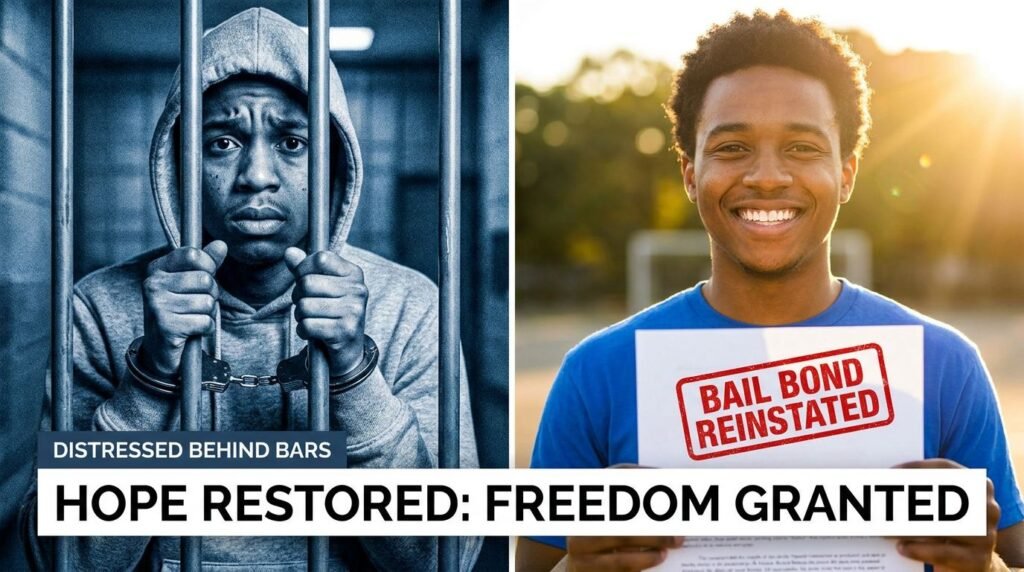
When someone is released from jail on bail, the expectation is that they will follow every condition ordered by the court. Missing a court date, violating release conditions, or failing to communicate with the bail bond company can result in a revoked bail bond. If this happens, many families immediately ask the same question:
Can a bail bond be reinstated after it is revoked in Ohio?
The short answer is yes, in some situations, but reinstatement is never automatic. The decision depends on the judge, the reason the bond was revoked, the defendant’s actions, and the specific circumstances of the case.
Understanding how the process works can help defendants and their families make informed decisions and improve the chances of returning to compliance with the court.
Understanding How Bail Bonds Work in Ohio
A bail bond allows a defendant to be released from jail while waiting for court proceedings. Instead of remaining in custody, the defendant agrees to follow all court requirements and appear at every scheduled hearing.
The court sets conditions that may include:
- Attending every court appearance
- Remaining within certain geographic areas
- Avoiding criminal activity
- Complying with drug or alcohol testing
- Following no-contact orders
- Meeting reporting requirements
When a surety bond is used, a licensed bail bond company guarantees the bond amount to the court if the defendant fails to appear.
What Does It Mean When a Bail Bond Is Revoked?
A revoked bail bond means the court has canceled the defendant’s release privileges. Once revoked, law enforcement can arrest the defendant and return them to jail.
Bond revocation is much more serious than simply missing an appointment with the bail bond company. It means the court believes the defendant has violated the terms of release.
After revocation, the defendant usually remains in custody until another court hearing determines whether release is appropriate.
Common Reasons Bail Bonds Are Revoked in Ohio
Several situations can lead to bond revocation.
Missing a Court Date
The most common reason is failing to appear in court.
Even one missed hearing may result in:
- A bench warrant
- Bond forfeiture proceedings
- Revocation of release
- Immediate arrest
Sometimes people miss court because of misunderstandings, transportation problems, medical emergencies, or incorrect scheduling information. While these reasons may later be explained, failing to notify the court beforehand can still create serious legal consequences.
Violating Release Conditions
Courts often impose conditions beyond simply appearing for hearings.
Examples include:
- Contacting protected individuals
- Traveling without permission
- Using illegal drugs
- Possessing firearms when prohibited
- Breaking curfew
- Ignoring electronic monitoring requirements
Any violation can lead the prosecutor to request bond revocation.
New Criminal Charges
If someone commits another offense while out on bond, the court may determine they no longer qualify for pretrial release.
Judges often view new arrests as evidence that the defendant may not comply with future release conditions.
Failure to Cooperate With the Bail Bond Company
Bail bond agencies often require defendants to:
- Keep contact information current
- Respond to phone calls
- Report address changes
- Follow agency requirements
Ignoring these responsibilities can increase the risk of bond surrender before additional court action occurs.
Can a Revoked Bail Bond Be Reinstated?
Yes—but reinstatement depends entirely on the court.
Ohio judges review numerous factors before deciding whether another opportunity should be granted.
These may include:
- Why the bond was revoked
- Whether the violation was intentional
- The defendant’s criminal history
- Community ties
- Employment status
- Risk of fleeing
- Public safety concerns
- Compliance before the violation
Each case is evaluated individually.
Situations Where Reinstatement May Be More Likely
Although every case is different, judges may be more willing to reinstate bail when circumstances show the defendant remains trustworthy.
Examples include:
Medical Emergencies
Unexpected hospitalization or serious illness may explain a missed appearance if documentation supports the claim.
Clerical Errors
Incorrect court notices or scheduling mistakes occasionally contribute to missed hearings.
Transportation Problems
Major accidents, weather emergencies, or unavoidable travel disruptions may be considered if properly documented.
Immediate Voluntary Return
Defendants who quickly surrender after discovering a warrant often demonstrate responsibility.
Strong Compliance History
Someone who has attended multiple hearings before one isolated mistake may receive greater consideration.
Situations Where Reinstatement May Be Difficult
Certain circumstances significantly reduce the likelihood of reinstatement.
Examples include:
- Multiple missed court appearances
- Repeated violations
- New felony charges
- Attempts to leave the state
- Witness intimidation
- Violent offenses while on release
- Evidence of intentionally avoiding court
In these situations, judges may determine detention is necessary until the case concludes.
What Happens After Bond Revocation?
The legal process generally follows several steps.
Arrest
Law enforcement serves the warrant and returns the defendant to custody.
Court Hearing
A judge reviews the alleged violation.
Both sides may present evidence regarding the circumstances surrounding the revocation.
Judicial Decision
The judge may:
- Reinstate the original bond
- Set a higher bond amount
- Modify release conditions
- Require stricter supervision
- Deny future bond entirely
No outcome is guaranteed.
Can the Bail Amount Change?
Yes.
If reinstatement is approved, the court may decide the original amount no longer reflects the risk involved.
Possible changes include:
- Increased bond amount
- Additional financial conditions
- Property bond requirements
- Electronic monitoring
- More frequent reporting
- Travel restrictions
The court’s goal is ensuring future compliance.
What Should Families Do After Bond Revocation?
Family members often feel overwhelmed after learning their loved one has been taken back into custody.
Taking calm, organized action can help.
Stay Informed
Find out:
- Why the bond was revoked
- Which court issued the warrant
- Upcoming hearing dates
Understanding the reason behind the revocation helps determine the next steps.
Gather Supporting Documentation
Helpful records may include:
- Hospital records
- Employer letters
- Flight delays
- Police reports
- Accident documentation
- Witness statements
Supporting evidence can clarify what happened.
Maintain Communication
Remain available to answer questions from legal representatives and the bail bond company.
Prompt communication often helps avoid additional misunderstandings.
How Defendants Can Improve Their Chances
While no strategy guarantees reinstatement, defendants can demonstrate responsibility by:
- Appearing promptly after learning of a warrant
- Following legal advice
- Being honest about the circumstances
- Respecting all court orders
- Avoiding additional legal trouble
- Keeping updated contact information
- Showing stable employment and residence
Courts generally appreciate accountability more than excuses.
Can a Bail Bond Company Reinstate a Bond Without Court Approval?
No.
Only the court has authority to authorize release after bond revocation.
A licensed bail bond company cannot independently restore a revoked bond.
If the judge approves reinstatement or sets a new bond, the bonding process may begin again depending on the court’s order.
Does Revocation Mean Someone Is Guilty?
No.
Bond revocation relates only to pretrial release.
A defendant is still presumed innocent unless proven guilty in court.
The revocation simply addresses whether release conditions have been followed.
Frequently Asked Questions
How long does reinstatement take?
The timeline varies depending on court scheduling, case complexity, and local procedures. Some hearings occur quickly, while others may take longer.
Can someone get another bond after missing court once?
Possibly. Judges often examine why the hearing was missed, whether the defendant acted responsibly afterward, and their overall compliance history.
Will the court always increase bail?
Not necessarily.
Some judges reinstate the original bond, while others impose stricter conditions or higher financial requirements based on the facts.
Can multiple violations affect future bond requests?
Yes.
Repeated violations generally make future release significantly more difficult because they raise concerns about reliability and compliance.
Should families wait before seeking help?
No.
Acting quickly after a bond revocation allows more time to understand court procedures, prepare documentation, and stay informed about upcoming hearings.
The Importance of Following Every Court Requirement
The easiest way to avoid bond revocation is complete compliance with every release condition.
Simple steps can make a significant difference:
- Mark every court date on multiple calendars.
- Set reminders several days before each hearing.
- Keep your contact information updated.
- Notify legal representatives immediately if an emergency arises.
- Follow every court instruction exactly as ordered.
- Avoid situations that could violate release conditions.
Being proactive helps protect your release status and keeps your case moving forward without unnecessary complications.
Final Thoughts
A revoked bail bond does not always mean the opportunity for release is permanently lost. In Ohio, judges have the authority to reinstate a bond when circumstances justify another chance. The decision depends on the specific facts of the case, the reason for the revocation, the defendant’s history, and whether the court believes future compliance is likely.
Understanding the process, acting quickly, and addressing the issues that led to the revocation can make a meaningful difference. Every situation is unique, so obtaining accurate information and responding responsibly is essential.
Need Assistance With an Ohio Bail Bond?
If you or a loved one needs help understanding the bail bond process in Ohio, Allstate Bail Bonds is here to assist. Our experienced team can answer your questions, explain how the bonding process works, and provide prompt, professional service when you need it most.
Allstate Bail Bonds
Phone: 419-765-0861
We are committed to treating every client with respect, confidentiality, and compassion while helping families navigate the bail process during difficult times.
