
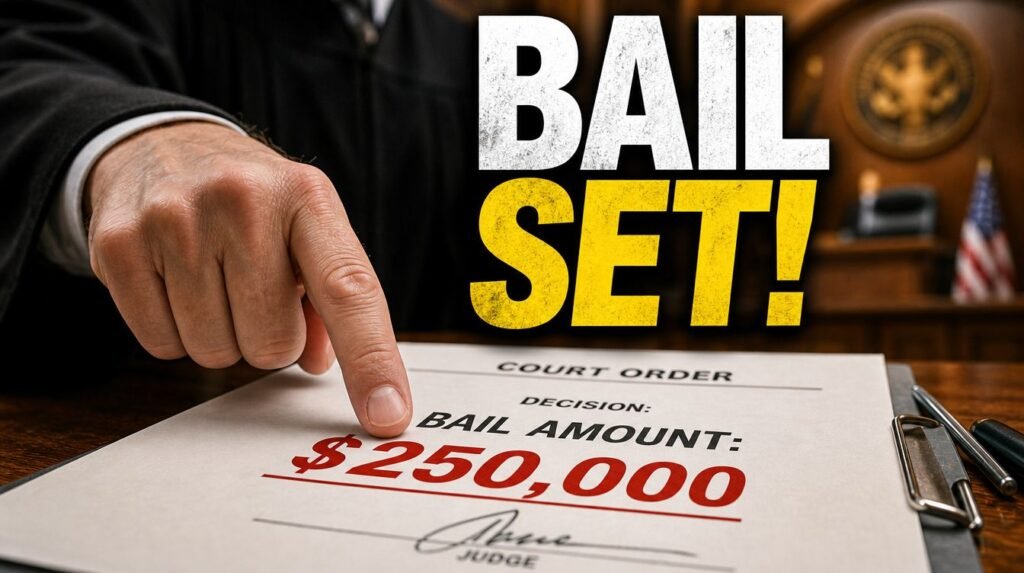
When someone is arrested in Ohio, one of the first questions their family asks is, “Will they get bail?” The answer depends on several legal factors that a judge carefully considers during the initial court appearance.
Many people believe bail is based only on the seriousness of the charges. In reality, Ohio judges evaluate much more than the alleged offense. They consider public safety, the defendant’s criminal history, community ties, likelihood of appearing in court, and other important legal factors before making a decision.
Understanding how this process works can reduce confusion and help families make informed decisions during a stressful situation.
This guide explains how Ohio judges determine bail, what influences their decisions, the different types of bail available, and what happens after bail is set.
What Is Bail?
Bail is a legal process that allows a person charged with a crime to remain out of jail while their criminal case moves through the court system.
Rather than serving time before being convicted, an eligible defendant may be released under conditions established by the court. These conditions are designed to ensure that the defendant returns for future court appearances and follows all court orders.
Bail is not a punishment. It is a method used by the justice system to balance two important interests:
- Protecting the public
- Preserving the defendant’s constitutional rights before trial
Every case is different, and judges must evaluate the specific circumstances before deciding whether release is appropriate.
When Is Bail Determined?
In Ohio, bail is generally considered shortly after an arrest.
The defendant usually appears before a judge or magistrate during an initial hearing, often called an arraignment or bond hearing. During this hearing, the judge:
- Reviews the criminal charges
- Confirms the defendant’s identity
- Explains their legal rights
- Determines whether bail should be granted
- Sets release conditions if appropriate
The timing may vary depending on weekends, holidays, and court schedules, but Ohio courts generally try to hold these hearings as quickly as practical.
Factors Ohio Judges Consider When Setting Bail
Ohio judges must evaluate several factors before deciding whether to release someone before trial.
1. Nature and Seriousness of the Charges
One of the first considerations is the severity of the alleged offense.
Generally, more serious charges may lead to higher bail amounts or stricter release conditions. Violent offenses often receive greater scrutiny than non-violent offenses because judges must consider community safety.
However, serious charges do not automatically prevent someone from receiving bail.
2. Criminal History
Judges review the defendant’s prior criminal record.
Important considerations include:
- Previous felony convictions
- Prior misdemeanor convictions
- Past probation violations
- Previous failures to appear in court
- History of violent offenses
- Outstanding warrants
Someone with a lengthy criminal history may face higher bail than someone with no prior record.
3. Risk of Failing to Appear
One of the primary purposes of bail is ensuring that defendants return to court.
Judges often evaluate whether the individual is likely to appear for future hearings.
Factors may include:
- Stable employment
- Family responsibilities
- Local residence
- Length of time living in the community
- Previous court attendance
- Travel history
- Financial resources
Strong community ties may reduce concerns that someone will leave the area before trial.
4. Public Safety
Protecting the community is one of the court’s most important responsibilities.
Judges consider whether releasing the defendant could create a danger to:
- Victims
- Witnesses
- Family members
- The general public
If the court believes release presents a significant safety risk, stricter conditions or higher bail may be imposed.
5. Defendant’s Personal Background
Judges also examine the individual’s overall background, including:
- Employment history
- Education
- Military service
- Physical health
- Mental health considerations
- Family relationships
- Community involvement
These details help the court evaluate stability and the likelihood of complying with release conditions.
6. History of Court Compliance
If the defendant has previously:
- Missed court dates
- Violated bond conditions
- Ignored court orders
- Failed probation
the judge may determine that additional safeguards are necessary before granting release.
Types of Bail in Ohio
Ohio courts may use several forms of pretrial release.
Cash Bail
The defendant deposits the entire bail amount directly with the court.
If all court appearances are completed and court requirements are satisfied, the money may be returned according to court procedures.
Surety Bond
A surety bond involves a licensed bail bond company.
Instead of paying the full bail amount to the court, the defendant or family works with a licensed bail bond provider who posts the bond on their behalf, subject to applicable laws and contractual agreements.
This option often helps families secure release when paying the full bail amount is financially difficult.
Personal Recognizance Bond
Sometimes referred to as a PR bond, this allows the defendant to be released based solely on a written promise to appear in court.
No cash deposit may be required, although conditions still apply.
These bonds are more common when:
- The charges are less serious
- The defendant has no criminal history
- There is little risk of failing to appear
Property Bond
In certain cases, property may be used as collateral if permitted by the court.
Specific requirements vary by county and court procedures.
Can Bail Be Denied?
Yes.
Ohio law allows judges to deny bail in certain circumstances permitted by law.
This may occur when:
- The defendant presents a significant danger to the public.
- There is a substantial risk of flight.
- Constitutional or statutory provisions authorize detention without bail in the specific case.
The court must follow legal procedures before denying bail.
Can Bail Conditions Change?
Yes.
Either side may request changes after bail has been set.
A judge may:
- Lower bail
- Increase bail
- Add new conditions
- Remove certain restrictions
- Revoke release if conditions are violated
The court reviews the facts before approving any modification.
Common Bail Conditions
Release often includes conditions beyond simply paying bail.
Examples may include:
- Appearing at every court hearing
- Remaining within Ohio or another specified area
- Avoiding contact with alleged victims
- Following protective orders
- Avoiding criminal activity
- Reporting to pretrial services when required
- Surrendering firearms if ordered
- Complying with drug or alcohol testing if required
Violating these conditions can result in arrest and revocation of release.
What Happens If Someone Misses Court?
Missing a scheduled court appearance is a serious matter.
Possible consequences include:
- A bench warrant for arrest
- Forfeiture of bail
- Additional criminal charges in some situations
- Revocation of bond
- More restrictive release conditions in the future
Anyone who accidentally misses court should contact their attorney immediately.
Does Every Defendant Receive the Same Bail?
No.
Bail decisions are individualized.
Two people charged with the same offense may receive very different bail conditions because judges evaluate each person’s unique circumstances.
Factors such as criminal history, community ties, employment, prior court appearances, and public safety concerns all influence the final decision.
How Long Does the Bail Process Take?
The timeline depends on several factors, including:
- The arrest location
- Court schedule
- County procedures
- Completion of booking
- Availability of judges
- Case complexity
Some cases move through the process relatively quickly, while others require additional hearings before release decisions are finalized.
How Families Can Prepare
If a loved one has been arrested, gathering useful information can help the process move more smoothly.
Helpful information may include:
- Full legal name
- Date of birth
- Booking location
- Case or booking number
- Court information
- Charge details, if available
Remaining calm and communicating with legal professionals can make the situation easier to manage.
Frequently Asked Questions
Does bail mean someone is innocent?
No. Bail is not a determination of guilt or innocence. It simply allows eligible defendants to remain out of custody while their case proceeds.
Can bail be paid by family members?
Yes. Depending on the type of bond authorized by the court, family members or friends may assist with the bail process.
Does hiring an attorney automatically reduce bail?
Not necessarily. An attorney may request a bond modification, but the judge decides whether any changes are appropriate based on the facts and applicable law.
What if the bail amount is too high?
Depending on the circumstances and the court’s order, families may explore available legal options, including working with a licensed bail bond company when a surety bond is permitted.
Are bail decisions the same in every Ohio county?
The legal principles are consistent throughout Ohio, but local court procedures and judicial discretion may vary from one county to another.
Final Thoughts
The bail process can feel overwhelming, especially when a family member has been unexpectedly arrested. Understanding how Ohio judges evaluate bail decisions helps families know what to expect and reduces uncertainty during an already stressful time.
Judges consider many factors beyond the alleged charge, including public safety, criminal history, ties to the community, and the likelihood that the defendant will return for future court appearances. Because every case is unique, bail decisions are made individually based on the facts presented to the court.
If you or someone you care about needs assistance understanding the bail process after an arrest in Ohio, working with knowledgeable professionals can make navigating the next steps much easier.
Contact Allstate Bail Bonds
If your loved one has been arrested and you need dependable assistance with the bail bond process, Allstate Bail Bonds is here to help.
Our experienced team understands how stressful an arrest can be and is committed to providing respectful, professional guidance throughout the process. We work efficiently to help eligible clients secure release as quickly as possible while answering your questions every step of the way.
Allstate Bail Bonds
Phone: 419-765-0861
Call today to speak with a knowledgeable bail bond professional who can explain your options and help you move forward with confidence.
