
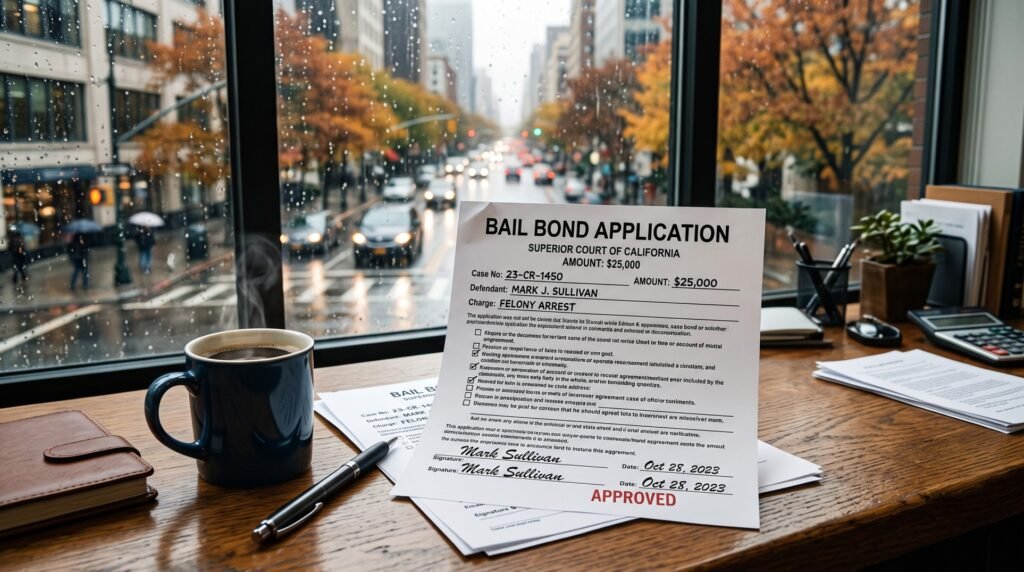
When a loved one is arrested, one of the first questions families ask is, “Can you bail someone out before their first court appearance?” The answer is yes, in many cases. Depending on the charges, the jail’s procedures, and the court’s bail schedule, a person may be released before appearing before a judge.
Understanding how the process works can help reduce stress, save valuable time, and allow your loved one to return home sooner while waiting for their court date. This guide explains when bail can be posted, what factors affect release, and what you can expect during the process.
Understanding Bail
Bail is a financial guarantee that encourages a defendant to return for scheduled court appearances after being released from custody.
Rather than remaining in jail until the case is resolved, eligible defendants may be released after bail is posted. If they attend all required court hearings and comply with any release conditions, the case continues while they remain out of custody.
The purpose of bail is not to determine guilt or innocence. Instead, it allows individuals who have been arrested to continue their daily lives while their legal case moves through the court system.
Can Someone Be Released Before Their First Court Appearance?
Yes. In many situations, an individual can be released before seeing a judge.
Whether this happens depends on several factors, including:
- The type of criminal charge
- Local court procedures
- The jail’s booking process
- Whether a preset bail schedule applies
- Any holds or warrants from other jurisdictions
Many counties use standardized bail schedules that assign predetermined bail amounts for common offenses. When this applies, bail can often be posted immediately after booking is completed.
However, if no preset bail amount exists, the defendant may need to wait until the judge conducts an initial appearance or arraignment to determine whether bail will be granted and, if so, how much it will be.
What Happens After Someone Is Arrested?
Understanding each step helps families know what to expect.
1. Booking
After arrest, law enforcement transports the individual to jail.
During booking, officers typically:
- Record personal information
- Take fingerprints
- Photograph the individual
- Inventory personal belongings
- Enter arrest information into the jail system
- Check for outstanding warrants
The booking process may take anywhere from one hour to several hours depending on how busy the facility is.
2. Bail Determination
After booking, one of several things usually happens.
Preset Bail
Many non-violent offenses have predetermined bail amounts.
If applicable, bail may be posted immediately without waiting for court.
Judge Sets Bail
Some offenses require a judge to review the circumstances before setting bail.
The judge may consider:
- Criminal history
- Community ties
- Employment
- Flight risk
- Public safety concerns
- Nature of the alleged offense
3. Posting Bail
Once bail is available, release may begin after payment or approval through a bail bond.
Processing times vary by facility.
Even after bail is posted, additional paperwork and jail procedures must be completed before release.
Why Would Someone Have to Wait Until Court?
Not every arrest qualifies for immediate release.
Common reasons include:
Serious Criminal Charges
Violent felonies and other serious offenses often require judicial review.
No Preset Bail Schedule
Certain offenses do not have predetermined bail amounts.
Only a judge can establish release conditions.
Outstanding Warrants
If another jurisdiction has issued a warrant, additional legal procedures may delay release.
Immigration Holds
Federal immigration holds can affect eligibility for release.
Probation or Parole Violations
Individuals accused of violating probation or parole may remain in custody until a hearing.
How Long Does It Take to Get Released?
Release times vary significantly.
Factors include:
- Booking volume
- Jail staffing
- Time of arrest
- Weekends
- Holidays
- Court schedules
- Completion of paperwork
Some individuals are released within a few hours.
Others may wait longer depending on the circumstances.
Patience is often necessary because the jail controls the release process after bail has been posted.
What Happens at the First Court Appearance?
If release has not already occurred, the first appearance generally involves:
- Reviewing the charges
- Informing the defendant of legal rights
- Determining legal representation
- Considering bail or release conditions
- Scheduling future hearings
The judge may:
- Set bail
- Modify bail
- Release the defendant on their own recognizance
- Deny bail when permitted by law
Can Family Members Post Bail?
Yes.
Family members, close friends, or other responsible adults often arrange bail for someone in custody.
They may choose to:
- Pay the full bail amount directly to the court when appropriate
- Obtain assistance through a licensed bail bond agency where permitted by law
Understanding the available options can help families make informed decisions during a stressful time.
What Information Is Helpful Before Calling About Bail?
Having accurate information can speed up the process.
Useful details include:
- Full legal name
- Date of birth
- Jail location
- Arresting agency
- Booking number (if available)
- Charges, if known
Even if every detail is not available, providing as much information as possible helps locate the individual more quickly.
Common Questions Families Ask
Can bail be posted at any time?
Many jails accept bail 24 hours a day, although processing procedures vary by facility.
What if the person was arrested late at night?
Late-night arrests may still qualify for release if a preset bail amount exists and booking has been completed.
Does posting bail mean the charges disappear?
No.
Posting bail only allows eligible defendants to remain out of custody while the case proceeds.
Court appearances remain mandatory.
Can someone miss court after being released?
Missing court can lead to serious legal consequences, including additional charges, warrants, or forfeiture of bail.
Attending every scheduled hearing is extremely important.
Can bail conditions change?
Yes.
Judges may modify release conditions during later hearings depending on the circumstances of the case.
Tips for Families During the Bail Process
An arrest often creates confusion and anxiety.
The following suggestions can help:
- Stay calm.
- Gather accurate information.
- Keep identification readily available.
- Follow jail instructions carefully.
- Maintain communication with legal counsel if applicable.
- Encourage the defendant to comply with every court order after release.
Being organized helps avoid unnecessary delays.
Understanding Release Conditions
Being released from custody comes with responsibilities.
Depending on the case, conditions may include:
- Appearing at every scheduled court hearing
- Remaining within certain geographic areas
- Avoiding contact with specific individuals
- Following travel restrictions
- Complying with any court-ordered requirements
Violating release conditions may result in additional legal consequences or revocation of release.
Why Acting Quickly Matters
Time is important after an arrest.
Early action may help:
- Reduce time spent in custody
- Minimize missed work
- Allow parents to return home to their children
- Help defendants prepare for upcoming court proceedings
- Reduce unnecessary stress for family members
Gathering information promptly and understanding the release process can make a difficult situation more manageable.
Every Case Is Different
No two arrests are exactly alike.
Release timelines may vary depending on:
- County procedures
- Type of offense
- Court availability
- Booking delays
- Judicial decisions
- Individual circumstances
Because of these differences, obtaining accurate information specific to the case is often the best approach.
Final Thoughts
In many situations, yes—you can bail someone out before their first court appearance. When a preset bail amount exists and the booking process has been completed, release may occur without waiting for a judge. In other cases, the court must first determine whether bail should be granted and under what conditions.
Knowing what to expect can ease uncertainty and help families navigate the process more confidently. Understanding booking, bail eligibility, court procedures, and release requirements allows you to make informed decisions during an already stressful time.
If someone you care about has been arrested and you have questions about the bail process, having knowledgeable guidance can make a significant difference.
Need Help Understanding the Bail Process?
Allstate Bail Bonds has experience assisting families through the bail process with professionalism, respect, and prompt service. If you have questions about eligibility, jail procedures, or how the release process works, our team is available to provide clear information and help you understand your options.
Allstate Bail Bonds
Phone: 419-765-0861
