
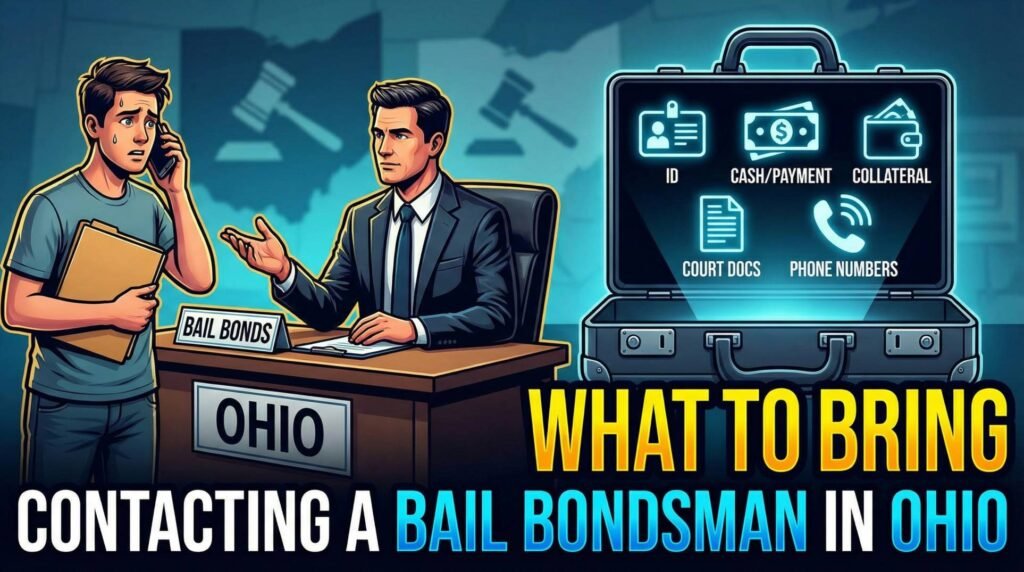
Facing an arrest of a loved one in Ohio creates urgent stress and confusion. Knowing exactly what to prepare when reaching out to a bail bondsman can speed up the release process significantly.
Understanding Bail Bonds in Ohio
Bail bonds allow defendants to secure release from jail by posting a surety bond through a licensed agent, typically costing 10% of the full bail amount as a non-refundable premium. Judges set bail based on factors like flight risk, public safety, criminal history, and charge severity, as required by Ohio’s constitution following the 2022 amendment. This system ensures defendants return for court while avoiding prolonged detention for those who cannot pay full cash bail upfront.
The process starts after booking and arraignment, where the judge announces the bond amount. A bondsman then guarantees payment to the court if the defendant fails to appear, reducing the financial burden on families. Ohio law mandates this 10% fee and allows collateral for higher-risk cases to protect the bondsman’s investment.
The Bail Process Step by Step
Arrest leads to booking, including fingerprints and photos, followed by an arraignment where bail is set. Families can then contact a bondsman, who verifies details and posts the bond, often within 30-60 minutes depending on jail processing.
Release conditions may include travel restrictions, no-contact orders, or electronic monitoring, which your attorney can negotiate to lower bail. Failure to comply risks bond forfeiture, where the court claims the full amount, and the bondsman pursues recovery from the indemnitor.
Essential Information for the Bondsman
Start with the defendant’s full legal name, date of birth, booking number, and exact charges to locate them quickly in the system. Provide the jail or detention facility’s name and address, plus the set bail amount from the arraignment.
Include contact details like the defendant’s phone number, home address, and employer’s name and address to assess ties to the community. References from reliable contacts can strengthen the application by vouching for character. This information helps the bondsman qualify the bond efficiently without delays.
Documents to Have Ready
Bring a government-issued photo ID for the indemnitor (co-signer), such as a driver’s license or state ID, to verify identity. Proof of residency like a utility bill or lease agreement confirms stability and reduces perceived flight risk.
Financial documents, including recent pay stubs or bank statements, demonstrate ability to cover the 10% premium. If collateral is needed—common for bonds over certain amounts or serious charges—prepare property deeds, vehicle titles, or cash equivalents, along with appraisals showing clear value exceeding liens.
For real property collateral, include a recent title report (no older than two days), mortgage statements, and spouse consent if applicable. The bondsman may require a deed of trust filed with the county recorder.
Collateral Requirements Explained
Collateral secures the bondsman’s risk and is returned post-case resolution if conditions are met. Cash or certified checks work for smaller bonds, while vehicles need clear titles without liens.
Real estate demands a professional appraisal from the county auditor or licensed agent, plus proof of unencumbered equity. Ohio prohibits title transfers as a bond condition but allows liens. Not all bonds require it; low-risk cases often proceed with signature alone.
Common Mistakes to Avoid
Forgetting the booking number slows verification, as jails process hundreds daily. Arriving without ID halts the process, requiring a return trip. Underestimating collateral needs for felonies or high bonds leads to denials.
Rushing without financial proof can force payment plans with added scrutiny. Ignoring release conditions post-bail risks immediate re-arrest. Always confirm jail-specific rules, as processing varies by county.
Why Preparation Speeds Release
Having everything organized cuts processing from hours to minutes, letting your loved one return home sooner. Bondsmen appreciate proactive clients, often offering flexible plans for premiums.
This preparation shows responsibility, potentially avoiding extra collateral demands. In Ohio’s busy jails, efficiency means beating crowds and reducing stress.
Ohio-Specific Bail Laws
Ohio’s 2022 constitutional change empowers judges to weigh public safety in bail, overriding prior Supreme Court limits. Cash-only bail is restricted, favoring sufficient sureties. Agents must be licensed by the Department of Insurance, carrying wallet IDs.
Reforms like Senate Bill 182 proposals emphasize ability-to-pay, but current rules balance safety and rights. Conditions under Crim.R. 46 include no victim contact or substance monitoring.
When to Expect Collateral
High bonds ($10,000+), violent crimes, or repeat offenses trigger collateral reviews. DUIs or drug charges may need SCRAM devices alongside. Experienced bondsmen assess case-by-case, prioritizing community ties.
Payment Options Available
Pay the 10% premium via cash, credit, or certified check; plans spread costs with co-signer approval. No premium refunds occur, even on dismissal, per state statute.
Real-Life Example
Consider a $5,000 misdemeanor bail: Pay $500 premium, provide ID and booking info—no collateral needed. Released in under an hour. For a $50,000 felony, add vehicle title as collateral, with appraisal confirming $60,000 value.
Frequently Asked Questions
How long after posting bail is release? 30-60 minutes, jail-dependent.
Is the premium refundable? No, it’s the service fee.
What if defendant misses court? Bond forfeits; collateral seized.
Can out-of-state family post bond? Yes, with verified docs.
24/7 availability? Most bondsmen yes.
Choose Allstate Bail Bonds for Fast, Reliable Service
For Ohio residents needing swift bail solutions, Allstate Bail Bonds handles all counties with experienced agents ready 24/7. Call 419-765-0861 now—we’ll guide you on exactly what to bring and post your bond efficiently.
