
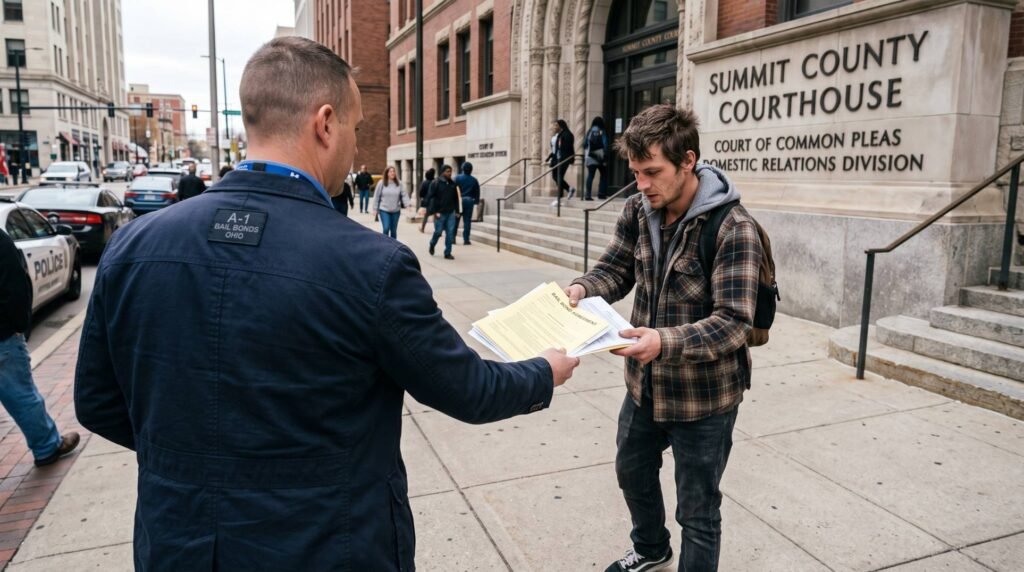
Being arrested for resisting arrest can be stressful, especially when you are unsure how quickly you can get released from jail or what steps your family should take next. If you or someone you know has been charged with resisting arrest in Ohio, understanding the bail process can help you make informed decisions during a difficult situation.
Ohio law treats resisting arrest as a criminal offense, and the potential classification of the charge depends on what allegedly occurred during the incident. Under Ohio Revised Code Section 2921.33, basic resisting arrest is generally a second-degree misdemeanor, while allegations involving physical harm to a law enforcement officer can increase the severity of the charge. Certain circumstances involving a deadly weapon can result in a fourth-degree felony charge.
If the court has set bail and you need help arranging a bond, understanding how Ohio bail works is an important first step.
What Is Resisting Arrest in Ohio?
Ohio Revised Code Section 2921.33 generally prohibits a person from recklessly or by force resisting or interfering with a lawful arrest of themselves or another person.
The law establishes different levels of the offense depending on the circumstances.
A basic violation under Section 2921.33(A) is classified as a second-degree misdemeanor. If the alleged resistance results in physical harm to a law enforcement officer, the charge can become a first-degree misdemeanor. If the case involves certain deadly-weapon allegations, it can be charged as a fourth-degree felony.
The exact circumstances of an arrest matter. The criminal charge, court involved, prior record, alleged conduct, and other factors may affect what happens after an arrest.
Because every case is different, a person facing a resisting-arrest charge should consider speaking with a qualified Ohio criminal defense attorney about the allegations and potential defenses.
What Happens After an Arrest for Resisting Arrest?
After an arrest, the person may be taken to a local jail or detention facility. The next steps can vary depending on the county, court, circumstances of the arrest, and whether other charges were filed.
One important step is the initial court appearance or arraignment.
At an arraignment, the defendant is informed of the criminal charge and asked to enter a plea. Ohio’s criminal procedure rules establish requirements for arraignment, including providing the defendant with the charging document or its substance and addressing the defendant’s plea.
If the offense is bailable and bail needs to be established, the court or magistrate may set the conditions for release.
For someone sitting in jail, this can be one of the most important stages of the process because release may depend on satisfying the court’s bond requirements.
How Does Bail Work in Ohio?
Bail is designed to provide security that an accused person will appear in court as required.
Ohio Revised Code Section 2937.22 describes bail as security for the appearance of an accused person in court and provides several forms that bail may take. These can include cash, certain bonds, or a written undertaking known as a recognizance.
The court determines the applicable bond and conditions. A bail bond company does not decide the amount of bail ordered by the court.
This distinction is important.
If a judge sets a $10,000 bond, for example, the bail bond company cannot simply change that court-ordered amount. The bonding process is used to satisfy the court’s requirements for release according to the type of bond that has been authorized.
Can You Get a Bail Bond for a Resisting Arrest Charge?
In many situations, a person charged with resisting arrest may be eligible for release on bond if the court permits bail.
However, eligibility and conditions depend on the specific case and the court’s order. A person should not assume that every resisting-arrest case will receive the same bond amount or release conditions.
The court may consider the circumstances of the case and applicable legal requirements when determining release.
If a bond has already been set, a licensed bail bond agent can explain the process of arranging a surety bond and the information needed to begin.
Ohio law regulates surety bail bond agents and the activities they may perform. State law also establishes restrictions concerning fees, collateral, bail instruments, and other aspects of bail bonding.
What Information Is Usually Needed to Post a Bail Bond?
When contacting a bail bond agency, having accurate information can make the process easier.
Depending on the situation, the bail bond agent may ask for information such as:
- The defendant’s full legal name
- Date of birth
- Name of the jail or detention facility
- County where the arrest occurred
- Court handling the case
- Case or booking number, if available
- Amount and type of bond
- Current charges
- Contact information for the person arranging the bond
If you do not have all of this information, contact the bail bond agency anyway. The agent may be able to explain what information is necessary and how to obtain it.
Providing accurate information is especially important when someone has just been arrested and family members are trying to determine where the person is being held.
How Much Does a Bail Bond Cost?
The cost of obtaining a bail bond is different from the amount of bail ordered by the court.
For example, the court may establish a specific bond amount, while a licensed bail bond agent charges a premium for providing the surety bond, subject to Ohio’s applicable insurance laws and approved rates.
Do not assume that the premium is the same as the full court bond.
Ohio law regulates what a surety bail bond agent may accept in connection with a bail bond. State law addresses premiums, expenses, collateral, and other matters involving bail bond transactions.
Before signing a bond agreement, ask the bail bond agent to clearly explain the premium, any permitted expenses, collateral requirements, payment arrangements, and responsibilities associated with the bond.
A reputable bail bond agency should be willing to explain the agreement before you sign it.
What Happens After Someone Is Released on Bond?
Getting released from jail is not the end of the criminal case.
The defendant generally must comply with the conditions established by the court and appear for required court dates.
Ohio law defines bail as security for appearing in court and not departing without permission.
That means missing court can create serious consequences.
Depending on the circumstances, a missed court appearance can potentially result in a warrant, bond forfeiture, additional legal complications, or difficulties with future release.
Anyone released on bond should carefully track every court date and follow all conditions imposed by the court.
If the defendant has questions about whether they must appear, what conditions apply, or whether a court date has changed, they should contact their attorney or the appropriate court rather than guessing.
What If the Resisting Arrest Charge Involves Other Charges?
A resisting-arrest case may occur alongside other criminal allegations.
For example, an arrest could involve allegations related to disorderly conduct, assault, failure to comply with a police officer, drug offenses, or other charges. The exact combination of charges can affect the overall situation.
The bail amount and conditions are determined by the court based on the circumstances and applicable law.
A bail bond agent can assist with the bonding process, but a bail bond agent is not a substitute for a criminal defense attorney.
If you believe the arrest was unlawful, the officer used excessive force, the allegations are inaccurate, or you have another legal defense, discuss those issues with an attorney.
Should You Talk to a Lawyer After a Resisting Arrest Charge?
Yes. A bail bond agent’s role is different from a criminal defense attorney’s role.
A bail bond agent helps with the financial and administrative process of securing release when a surety bond is available.
A criminal defense attorney can evaluate the allegations, evidence, police reports, witness statements, potential constitutional issues, and possible defenses.
If you believe the arrest or use of force was improper, tell your attorney what happened as soon as possible. Avoid discussing the details of the case publicly or posting potentially damaging information about the incident on social media.
Being released on bail does not mean the case has been resolved. It simply allows the defendant to remain out of custody while the criminal case continues, subject to the court’s requirements.
What Should You Do If a Family Member Is in Jail?
If a family member has been arrested for resisting arrest, staying organized can make the situation easier.
First, determine where the person is being held.
Next, find out the exact charges and whether a bond has been set.
If a bond has been set, obtain the bond amount and type if that information is available.
Then contact a licensed bail bond agency and ask what is required to arrange the bond.
At the same time, consider contacting a criminal defense attorney.
Keep copies of paperwork received from the jail or court, including booking information, bond documents, court notices, and release conditions.
Most importantly, do not miss scheduled court appearances after release.
Why Choose a Local Ohio Bail Bond Agency?
When someone is in custody, time and clear communication matter.
A local bail bond agency familiar with Ohio’s bail process can help explain what information is needed and what steps are involved in arranging a bond.
Before choosing an agency, ask questions about the total cost, payment arrangements, collateral, responsibilities of the defendant and co-signer, and the terms of the agreement.
You should understand the agreement before signing it.
Get Help With a Resisting Arrest Bail Bond in Ohio
If you or a family member has been arrested for resisting arrest in Ohio and a bond has been set, Allstate Bail Bonds can help you understand the bail bond process and the information needed to move forward.
Call Allstate Bail Bonds at 419-765-0861 to discuss your situation and learn about the available bonding process.
