
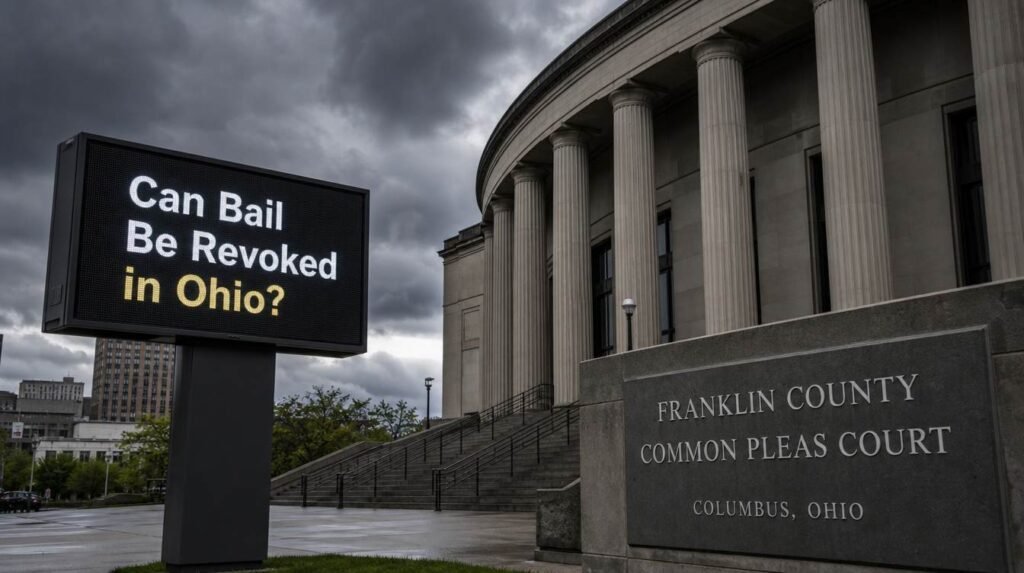
When someone is released from jail on bail, that release is not unconditional. The court expects the defendant to follow all bail terms, appear at every required hearing, and avoid any new legal trouble while the case is pending. If those conditions are violated, bail can be revoked and the person may be taken back into custody. In Ohio, this is a serious issue because a revoked bond can quickly change the direction of a criminal case and create more stress for the defendant and their family.
At Allstate Bail Bonds, we often hear questions from families who thought release meant the hardest part was over. In reality, getting out of jail is only the first step. The person released must continue following the court’s rules. Missing one court date, failing a drug test, violating a protection order, or picking up a new charge can put that freedom at risk.
This guide explains what bail revocation means in Ohio, why it happens, what the court may do next, and what families should know if they are trying to help someone stay compliant and avoid going back to jail.
What does bail revocation mean?
Bail revocation means the court cancels a defendant’s release and orders them back into custody. Courts generally use bail conditions to manage risk and make sure the person appears in court, and violating those conditions can lead to arrest and detention.
In simple terms, the court is saying the defendant no longer has the privilege of staying out of jail under the existing bond. Once bail is revoked, the person may remain in custody until another hearing, may face stricter release terms, or may be denied release altogether depending on the facts of the case.
This can happen in misdemeanor and felony cases. It can also happen whether the person posted cash bail, used a surety bond, or was released on their own recognizance with conditions attached. What matters most is whether the defendant followed the court’s instructions.
Common reasons bail gets revoked in Ohio
There is no single reason bail gets revoked. Courts usually look at behavior after release and whether that behavior shows the defendant is unlikely to follow the rules moving forward.
Some of the most common reasons include:
-
Missing a court date.
-
Getting arrested for a new offense.
-
Violating a no-contact or protection order.
-
Failing drug or alcohol testing when testing is required.
-
Leaving the county or state without permission.
-
Failing to check in with pretrial services.
-
Possessing firearms when prohibited by release conditions.
-
Contacting an alleged victim or witness against court orders.
Judges take missed court appearances especially seriously because appearing in court is one of the main purposes of bail. Clear headings, direct answers, and question-based sections like this are often recommended because they match how people search and improve readability.
In many cases, revocation does not happen out of nowhere. There may be warning signs first, such as repeated noncompliance, late check-ins, failed monitoring, or concerns raised by the prosecutor. But even one violation can be enough if the court believes the person poses a higher risk than originally expected.
Can a judge revoke bail immediately?
Yes, a judge can move quickly when there is evidence that a defendant violated release conditions. Courts may issue a warrant after a missed hearing or after learning about a violation, and the defendant can be taken into custody before the court decides whether release will continue under new terms.
That does not always mean the person will stay in jail forever. Usually, there will be a hearing or court appearance where the judge reviews what happened and decides the next step. Depending on the seriousness of the violation, the judge may:
-
Reinstate the same bail.
-
Increase the bond amount.
-
Add stricter conditions.
-
Order electronic monitoring.
-
Revoke bail and keep the defendant in custody.
A lot depends on the defendant’s history, the current charge, the nature of the violation, and whether the judge believes future compliance is realistic.
What happens after bail is revoked?
Once bail is revoked, the defendant may be arrested and returned to jail. The court then reviews the situation and decides whether any future release is appropriate. This step is often confusing for families because they assume the original bond simply starts again, but that is not always how it works.
In some cases, the court may set a new, higher bond. In other cases, the court may decide that the person should remain in custody until the case is resolved. If the violation involved a new criminal charge, the defendant could be dealing with multiple cases at the same time, which makes release more difficult.
This is also where timing matters. Delays can make the situation worse, especially if the family does not understand what court date is coming next or what paperwork is needed. A practical, problem-solving article tends to perform better when it answers the exact next-step questions readers have.
Does the bail bond get forfeited?
A bond can be forfeited in some situations, especially when the defendant fails to appear in court. When that happens, the court may begin proceedings related to the bond amount and the surety’s responsibility.
That does not mean every bail revocation leads to immediate financial loss in the same way. The outcome depends on why bail was revoked, whether the defendant was surrendered, whether the court gave time to produce the defendant, and the details of the bond arrangement.
For families, this is one of the biggest concerns. They want to know whether money or collateral is at risk. The answer often depends on the case timeline and whether the defendant can be located and returned to court as required.
How can someone avoid having bail revoked?
The most effective way to avoid revocation is simple: follow every condition exactly as ordered. Helpful content frameworks consistently emphasize direct, user-focused advice and practical steps rather than vague generalities.
That means the defendant should:
-
Attend every court date.
-
Save all paperwork and hearing notices.
-
Obey every no-contact order.
-
Avoid new arrests and risky behavior.
-
Complete all check-ins, testing, or treatment requirements.
-
Ask a lawyer before traveling or changing residence.
-
Stay in regular communication with the bond agent if a surety bond is involved.
One small mistake can create a much bigger legal problem. Something as simple as assuming a court date was moved, failing to update an address, or replying to a protected person by text can become the basis for revocation. The safest approach is to treat every release condition as mandatory.
What families should do right away
If you believe bail may be revoked, or if the defendant has already been taken back into custody, act quickly and stay organized. Waiting too long can reduce options and create more confusion.
Start with these steps:
-
Confirm the reason for the hold or arrest.
-
Find out the next court date as soon as possible.
-
Gather bond paperwork and case information.
-
Tell the attorney about any alleged violation immediately.
-
Keep records of calls, notices, and court instructions.
-
Avoid guessing about what the court “probably meant.”
Families often make things harder by relying on secondhand information. It is better to verify the facts, understand the exact violation being alleged, and make sure everyone is working from the same information.
Why legal guidance matters
Bail revocation issues move fast, and the consequences are real. A person who was previously home with family can suddenly be back in jail, facing stricter supervision, a higher bond, or no release at all.
That is why clear communication matters so much. The defendant needs to understand the court’s conditions, and the family needs to understand what role they can play in helping the person stay compliant. A well-organized article with concise paragraphs and useful subheadings is commonly recommended because it helps readers find answers quickly and stay engaged.
While a bail bond company cannot give legal advice, an experienced bond agent can help explain the bond process, what practical issues may arise after a violation, and what families should be paying attention to next.
Frequently asked questions
Can bail be revoked for missing just one court date?
Yes, it can. Even one missed appearance may lead the court to issue a warrant and reconsider whether the defendant should remain out on bond. Judges often view court attendance as one of the most important conditions of release.
Can bail be revoked without a new criminal charge?
Yes. A new arrest is only one possible reason. Bail can also be revoked for violating release terms such as failing to report, contacting a protected person, or disobeying location restrictions.
If bail is revoked, can the person get another bond?
Sometimes. The court may allow a new bond, but it may come with a higher amount or stricter conditions. In more serious cases, the judge may decide not to release the person again.
Will the family lose money if bail is revoked?
Possibly, especially if the defendant fails to appear and the bond is forfeited. The exact financial impact depends on the type of bond, the court’s actions, and whether the defendant is returned to custody within the required timeframe.
Need help with a bail bond in Ohio?
If your loved one has questions about bond conditions, missed court, or what happens after a violation, Allstate Bail Bonds is here to help explain the process clearly and professionally. Families looking for dependable, easy-to-read guidance often respond best to content that is factual, structured, and written for real concerns rather than empty promotion.
