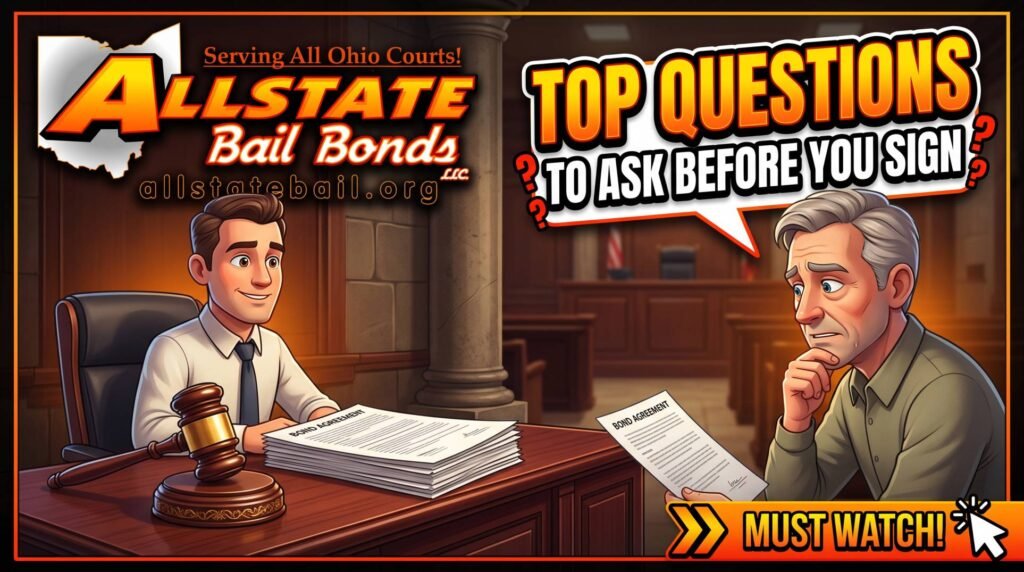
When someone you care about has been arrested, everything feels urgent. Families are stressed, time matters, and the pressure to act fast can make it easy to sign paperwork without fully understanding the terms. Before you agree to a bail bond, it is important to slow down just enough to ask the right questions.
A good bail bondsman should explain the process clearly, answer your concerns honestly, and make sure you understand your responsibilities before anything is signed. This guide covers the most important questions to ask, what the answers should tell you, and how to protect yourself from confusion, delays, or unexpected costs.
If you need help now, Allstate Bail Bonds is available at 419-765-0861.
Why Asking Questions Before Signing Matters
A bail bond is a legal and financial agreement. That means you are not just paying a fee — you may also be accepting responsibilities tied to the defendant’s court appearances, paperwork requirements, collateral, and payment terms.
Many people sign documents in a rush because they want their loved one out of jail as soon as possible. That is understandable. Still, taking a few minutes to ask clear questions can help you avoid misunderstandings, hidden obligations, and avoidable problems later on.
The right bondsman should never pressure you to sign first and ask questions later. A professional agency will explain what happens next, what you owe, what could go wrong, and what you need to do to stay in compliance.
1. What Is the Total Cost of the Bond?
This should be one of the first questions you ask. You need to know exactly how much you are expected to pay, what portion is due now, and whether there are any additional charges.
Ask for a full breakdown, including:
-
The premium or bond fee.
-
Down payment amount.
-
Payment schedule, if financing is offered.
-
Any fees related to paperwork, filing, travel, or late payments.
If the explanation sounds vague, ask again until it is completely clear. A trustworthy bondsman should be direct about cost and should give you numbers you can understand before you sign anything.
2. Is the Fee Refundable?
This is one of the most common areas of confusion. Many people assume they will get their money back once the case is over, but that is often not how bail bond fees work.
Ask the bondsman to explain:
-
Which payments are non-refundable.
-
Whether any part of your payment could be returned.
-
What happens if the defendant is released quickly, the charges change, or the bond is canceled.
You should never rely on assumptions when money is involved. Make sure the answer is clearly stated in writing.
3. What Collateral Is Required?
Some bonds require collateral, while others may not. Collateral can include a vehicle, jewelry, real estate, or other valuable property used to help secure the bond.
Important follow-up questions include:
-
What kind of collateral do you accept?
-
How is collateral valued?
-
When is it returned?
-
Under what circumstances could it be kept or forfeited?
Do not hand over property unless you understand exactly why it is required and what conditions must be met for it to be returned. Any agency handling collateral should explain the process carefully and provide documentation.
4. What Happens If the Defendant Misses Court?
This is one of the most important questions in the entire process. If the defendant misses a required court appearance, serious consequences can follow.
Ask the bondsman to explain:
-
What happens immediately after a missed court date.
-
Whether there is a grace period.
-
What your responsibilities are as the indemnitor or co-signer.
-
What happens to any collateral or payment agreement.
This answer tells you a lot about the agency’s professionalism. A reliable bondsman should explain the risks clearly, not brush them off. You need to understand that signing a bond may also mean taking responsibility for helping ensure the defendant follows all court requirements.
5. What Are My Responsibilities as the Co-Signer?
If you are signing for someone else, you need to know exactly what you are agreeing to. A co-signer is often financially responsible if the defendant fails to appear in court or violates the bond terms.
Ask these questions directly:
-
Am I responsible for the full bond amount if something goes wrong?
-
What do I need to do after signing?
-
Do I need to report address, employment, or travel changes?
-
What actions could put me at financial risk?
A professional bondsman should answer these questions in plain language. If the terms feel rushed, confusing, or overly technical, ask for clarification before moving forward.
6. How Long Will the Release Process Take?
Families often believe that once the bond is posted, release happens immediately. In reality, release time can vary depending on the jail, booking status, staffing, medical clearance, warrant checks, and other internal procedures.
Ask:
-
How soon can the bond be posted?
-
How long does release usually take at this jail?
-
What delays are common?
-
Who should I contact for updates?
This helps set realistic expectations. A good bondsman should not promise an exact release time unless they are certain. Honest estimates are better than false reassurance.
7. What Documents Do I Need to Bring?
Bringing the right documents can save time and prevent delays. Requirements vary, but many agencies ask for identification, proof of address, proof of income, and information about the defendant.
Before leaving home, ask what is needed, such as:
-
Government-issued photo ID.
-
Proof of residence.
-
Bank statements or pay stubs, if financing is involved.
-
Vehicle title or property records, if collateral is required.
Getting this list in advance can make the process faster and smoother when every minute feels important.
8. Are Payment Plans Available?
Not every family can pay everything upfront. If cost is a concern, ask whether payment options are available and what the terms are.
Be specific:
-
How much is required today?
-
How often are payments due?
-
Are there interest charges or financing fees?
-
What happens if a payment is late?
Do not assume all payment plans are the same. Understanding the details now can prevent unexpected financial stress later.
9. Will I Receive Copies of Everything I Sign?
You should always receive copies of the agreement, payment receipts, collateral records, and any other signed documents. This protects you if there is ever a misunderstanding about fees, terms, or obligations.
Ask for copies of:
-
The bond agreement.
-
Payment receipts.
-
Collateral documentation.
-
Any written terms related to missed court, defaults, or recovery actions.
Keep everything in one folder or digital file. In stressful situations, paperwork gets lost easily, but having it organized can save major headaches later.
10. What Should the Defendant Do After Release?
Posting bond is not the end of the process. Once released, the defendant must follow all court instructions and any conditions tied to the bond.
Ask the bondsman:
-
What court dates or reporting requirements should be watched closely?
-
Are travel restrictions involved?
-
Does the defendant need to check in?
-
What actions could cause the bond to be revoked?
This question is important because many post-release problems happen when people simply do not understand the rules. Clear guidance upfront can help prevent costly mistakes.
11. Are You Available 24/7 for Questions or Emergencies?
Arrests do not happen on a nine-to-five schedule. It helps to work with a bail bondsman who can respond quickly, explain the process clearly, and remain reachable when issues come up.
Ask:
-
Are you available nights, weekends, and holidays?
-
Will I be speaking to a live person?
-
Can I call if the jail process changes or court concerns come up?
Responsiveness matters. Families dealing with arrest and release often need answers fast, especially during late-night or weekend situations.
12. Can You Explain Everything in Plain Language?
This may sound simple, but it is one of the most revealing questions you can ask. Bail paperwork can feel intimidating, especially when emotions are high.
A dependable bondsman should be willing to explain:
-
What each form means.
-
What you are agreeing to.
-
What happens next.
-
What risks you are accepting.
If someone avoids your questions, uses confusing language, or pressures you to hurry without understanding the agreement, that is a warning sign. You should never feel embarrassed for asking questions before signing legal or financial documents.
Warning Signs to Watch For
Not every agency provides the same level of service. As you ask questions, pay attention to how the bondsman communicates.
Be cautious if you notice any of the following:
-
They avoid giving clear answers about cost.
-
They rush you to sign immediately.
-
They will not explain your responsibilities.
-
They do not provide written documentation.
-
They make unrealistic promises about release times.
-
They seem difficult to reach when you need updates.
A stressful situation is exactly when you need calm, clear, and honest help. Professionalism matters just as much as speed.
How the Right Bail Bondsman Helps
The right bondsman does more than post a bond. They help families understand what is happening, what needs to be done next, and how to avoid preventable problems.
That includes:
-
Explaining the bond process clearly.
-
Outlining costs and payment terms upfront.
-
Answering questions about court compliance.
-
Helping you understand co-signer obligations.
-
Staying available during a stressful time.
When families are overwhelmed, clear communication becomes part of the service. That is why choosing the right agency matters.
Call Allstate Bail Bonds
If you are trying to arrange release for a friend or family member, asking the right questions before signing can protect your time, money, and peace of mind. You deserve straightforward answers, clear paperwork, and support from someone who understands how urgent these situations can be.
Allstate Bail Bonds is here to help you understand the process and move forward with confidence. Call 419-765-0861 to speak with someone who can answer your questions and help you take the next step.
